
A well-designed office must seamlessly blend aesthetics with functional utility. More than just a place to work, an office is a powerful tool that reflects organizational culture, attracts top talent, and inspires fresh ideas. Investing in a beautiful office design is, therefore, a highly worthwhile investment.
10 Beautiful Office Design Ideas Across Various Styles
Selecting an office design that aligns with your business model will help you visualize your goals more clearly. Let's explore the diverse range of office styles available:
1.Minimalist Office
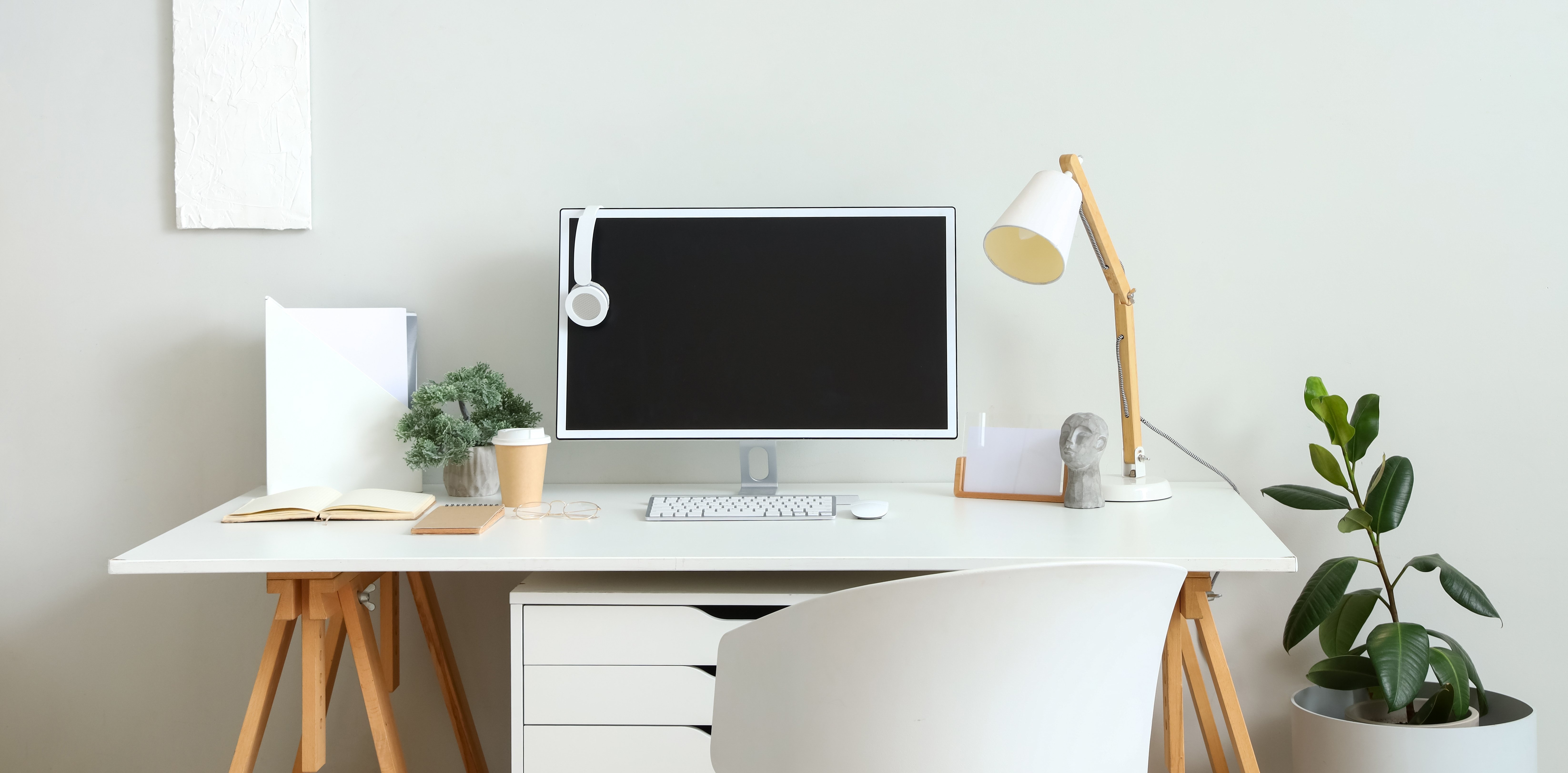
A minimalist office focuses on simplicity by eliminating unnecessary elements and retaining only essential functions. This style features clean lines and a monochromatic or neutral color palette—such as whites, grays, blacks, and beiges—creating an open and visually comfortable space.
2.Modern Office
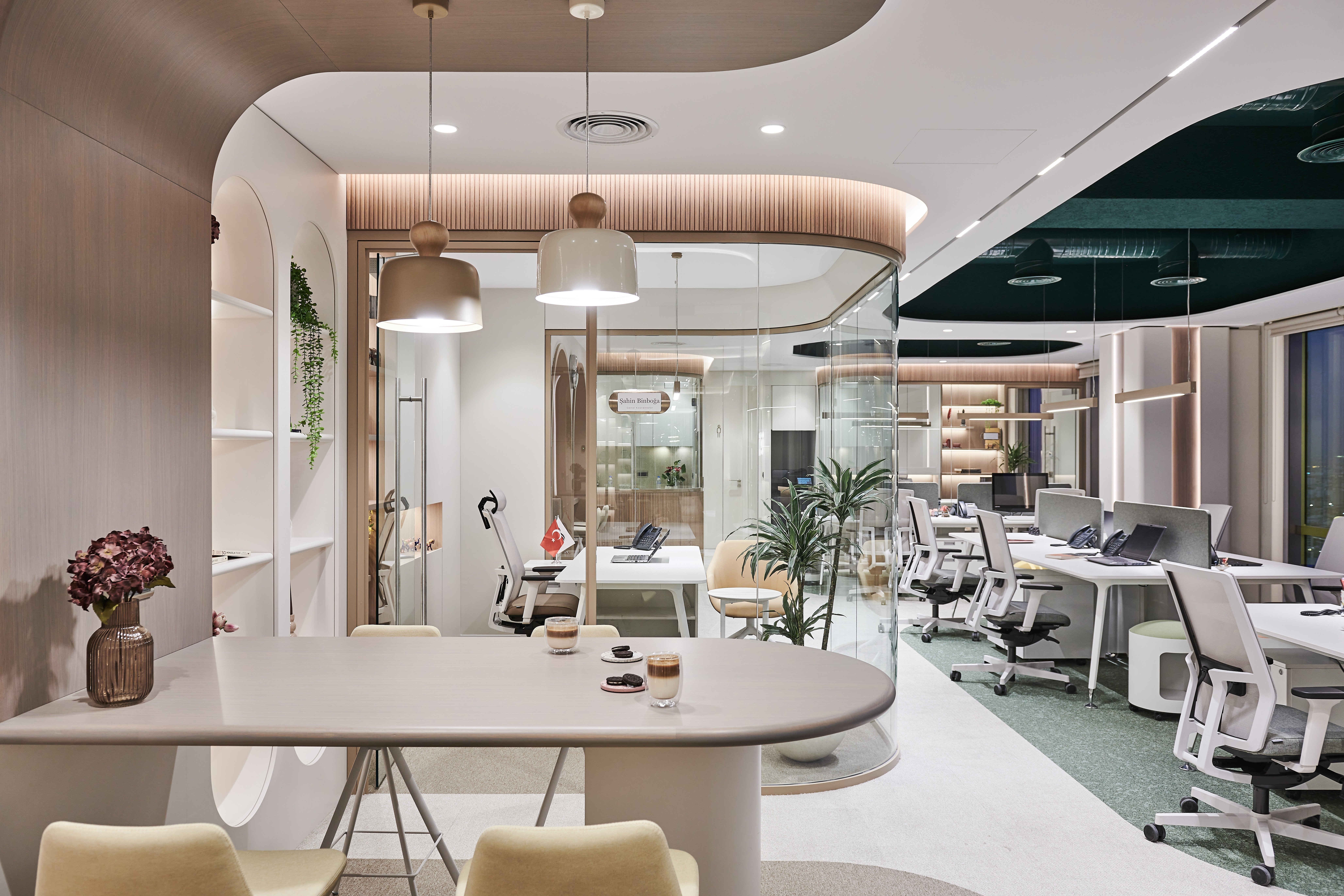
Beautiful modern office focuses on sleek, contemporary aesthetics. Furniture typically features simple yet elegant forms with clear, uncomplicated designs. A modern office reflects professionalism, innovation, and credibility, making it ideal for businesses seeking a modern corporate image.
3.Loft Office
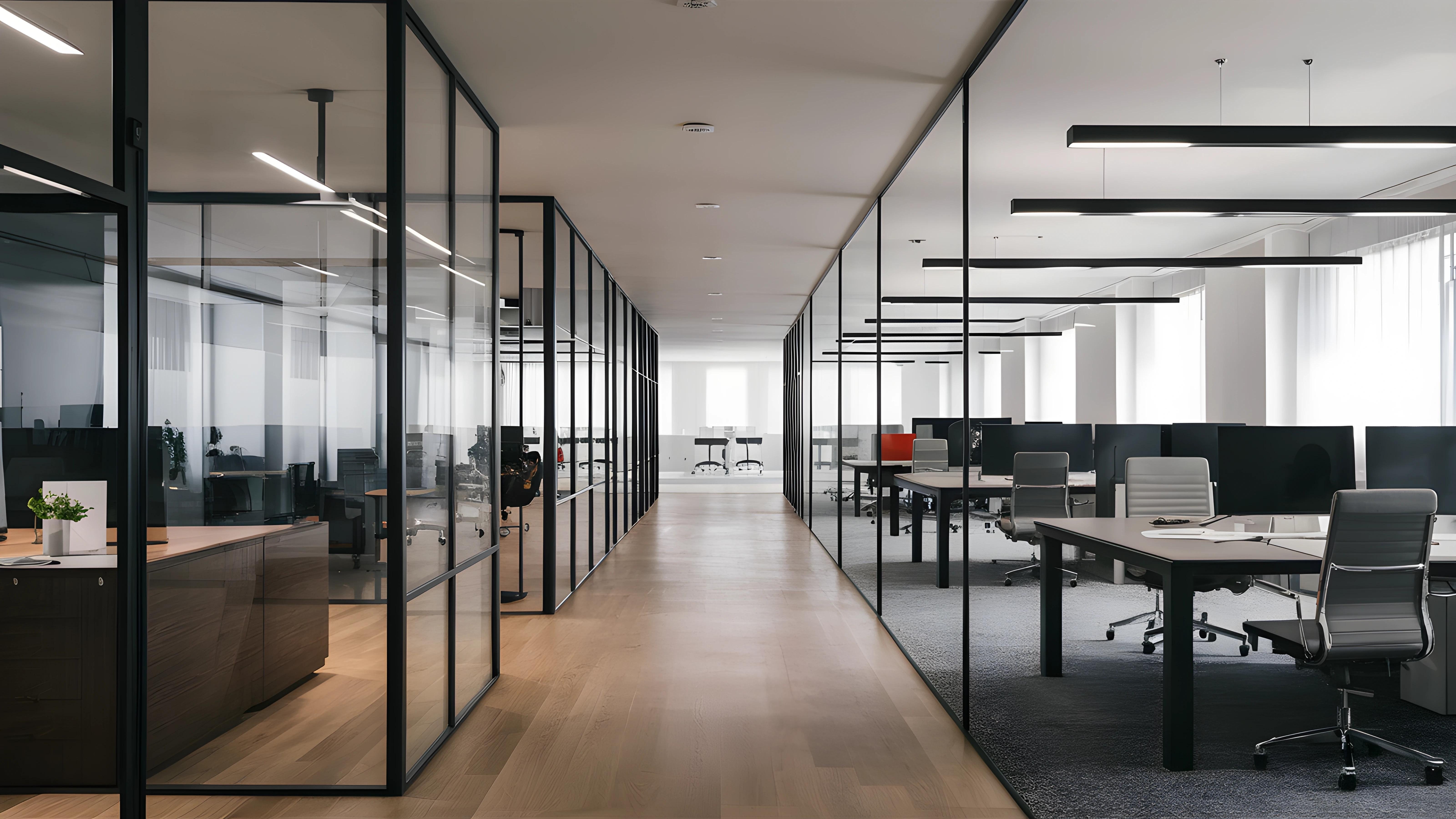
The loft style originated from the conversion of factories or warehouses, characterized by its raw and industrial unique charm. This design emphasizes exposed architectural elements such as high ceilings, air ducts, exposed brick walls, and polished concrete floors. The loft office conveys a sense of freedom and informality while stimulating creativity, making it ideal for workplaces that require high flexibility.
4.Scandinavian Office
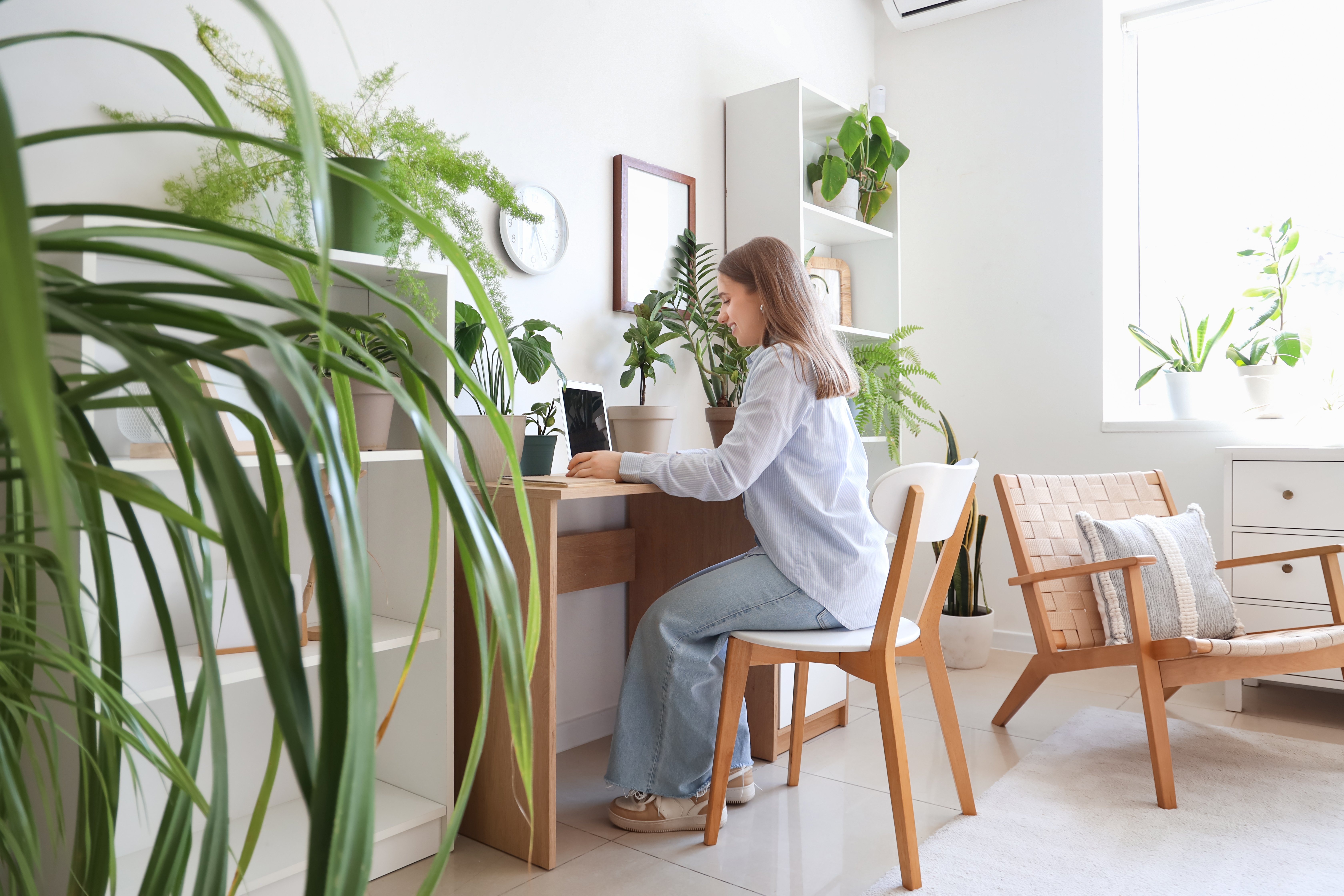
Inspired by the Nordic countries, Scandinavian office design emphasizes simplicity, functionality, and warmth. This style focuses on natural light and bright color schemes—like whites and pastels—combined with natural materials like light-toned wood. The result is a bright, spacious, and relaxing environment.
5.Cozy/Homey Office
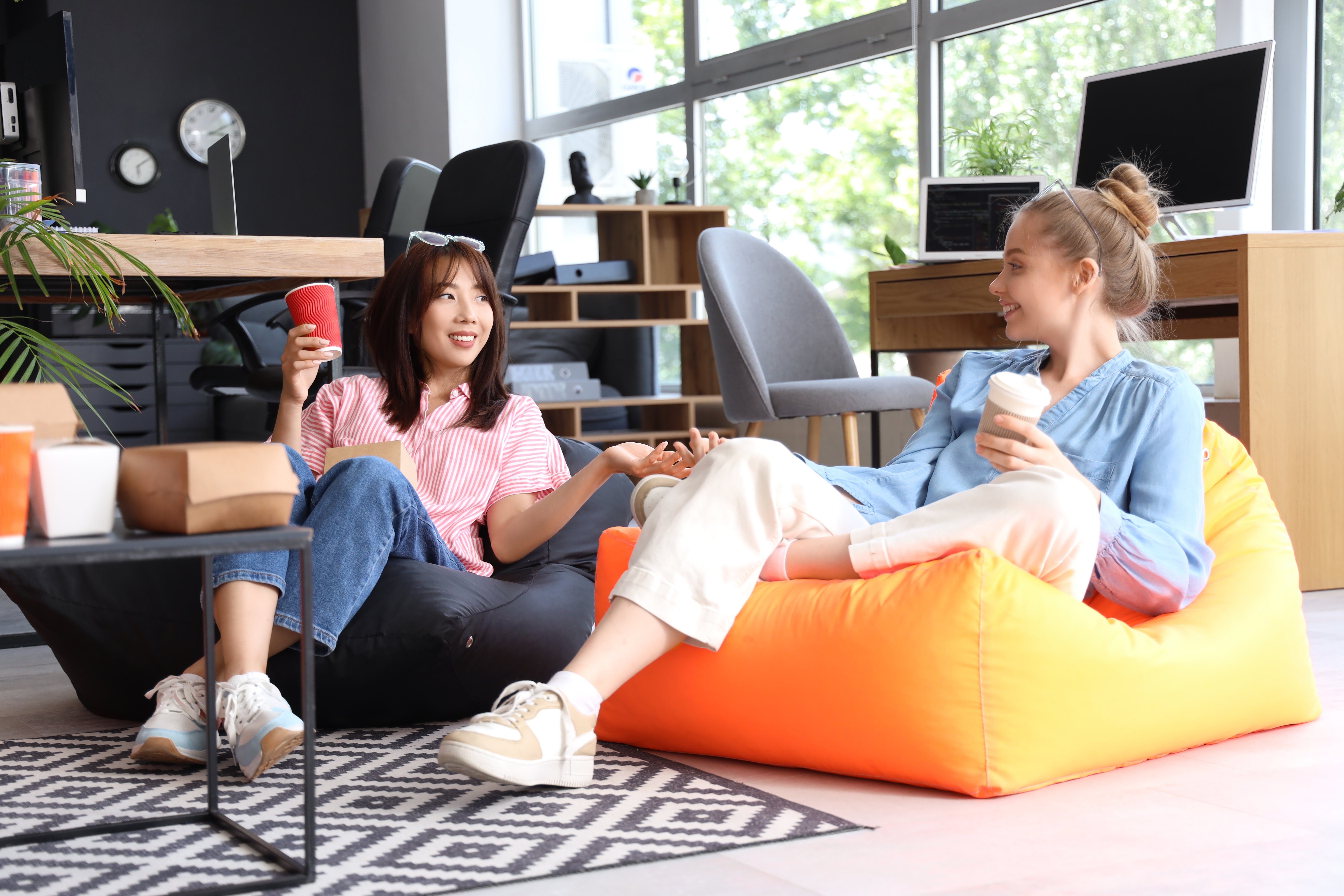
The cozy or homey office is designed to evoke the feeling of being at home, creating a warm, relaxed, and friendly atmosphere with warm white lighting. This design approach helps reduce workplace stress and pressure, fostering a sense of comfort.
6.Classic/Luxury Office
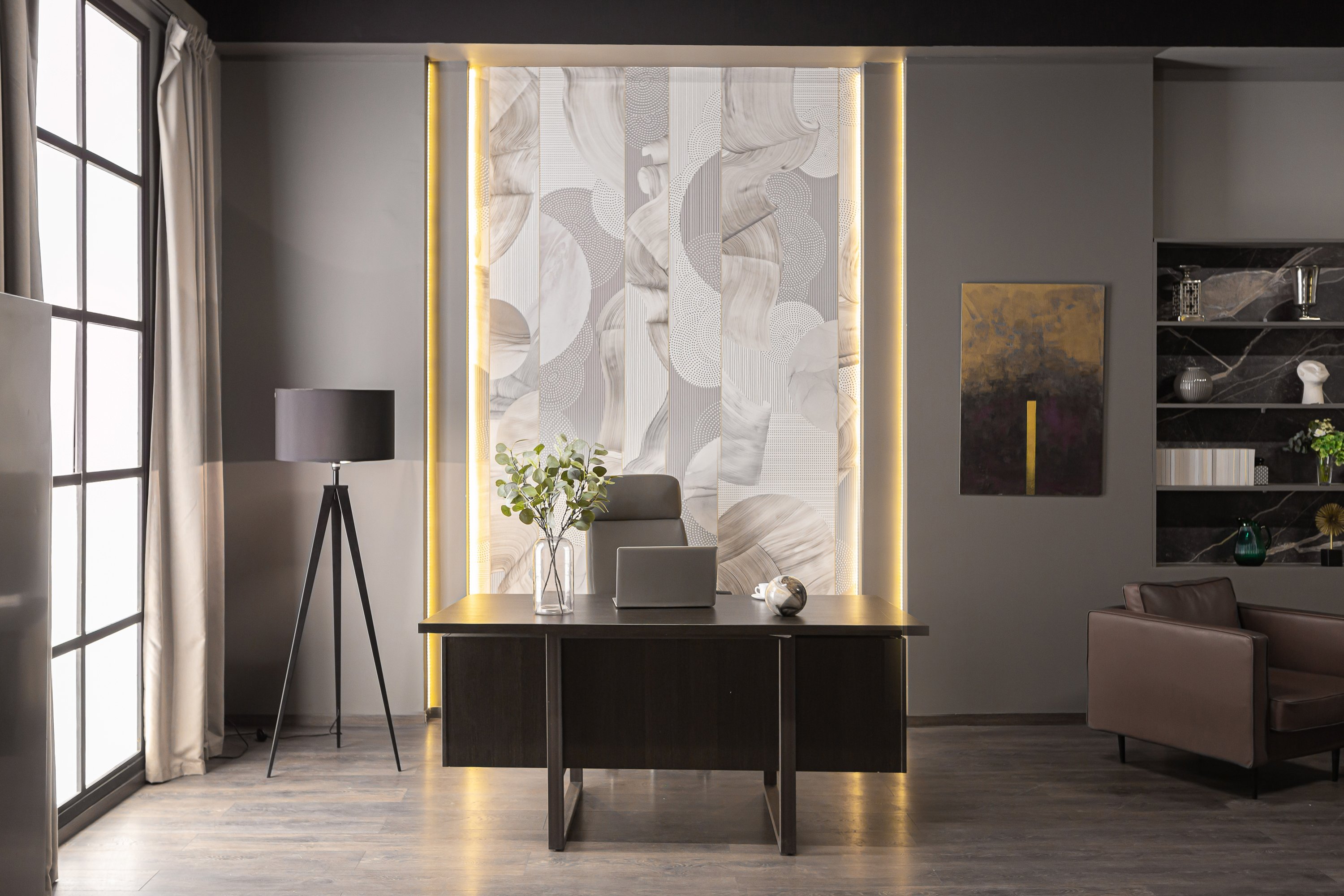
A classic or luxury office design emphasizes prestige and elegance, typically incorporating premium materials such as dark wood, leather, marble, and velvet. The color palette often features rich, deep tones—such as navy, dark green, or burgundy—with warm ambient lighting that creates an atmosphere of sophistication. This style is best suited for executive suites, consulting firms, or companies wishing to establish a high level of credibility.
7.Open-Plan Office
An open-plan office design focuses on reducing partitions, creating interconnected spaces that help teams communicate, exchange ideas, and collaborate more easily. While this layout may encounter some noise distractions, it requires the inclusion of "Quiet Zones" or small meeting rooms for tasks that require deep concentration.
8.Hybrid/Flexible Workspace

The hybrid or flexible workspace is a model designed to accommodate modern, flexible work practices by blending in-office and remote work arrangements. Consequently, there are no assigned desks; instead, various types of spaces are offered to suit different needs—such as communal workstations, phone booths, small meeting rooms, and communal breakout areas for relaxation —to support a diverse range of work activities.
9.Creative/Playful Office
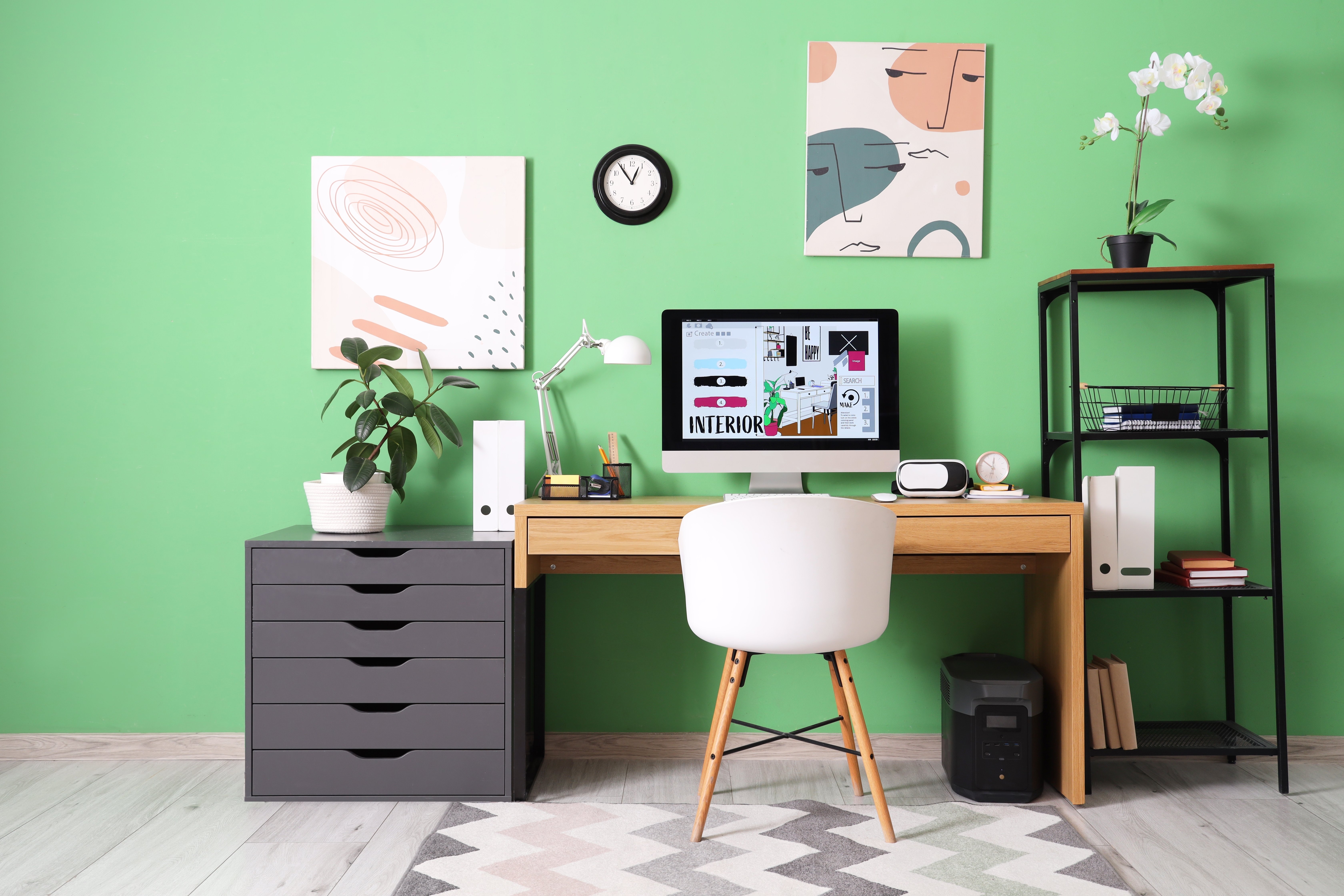
A creative or playful office design breaks away from traditional conventions to stimulate innovation. This style typically incorporates vibrant colors, wall graphics, uniquely designed furniture, and spaces for relaxation or recreation. The underlying philosophy is that productive work and a positive mood can go hand-in-hand.
10.Artistic Office
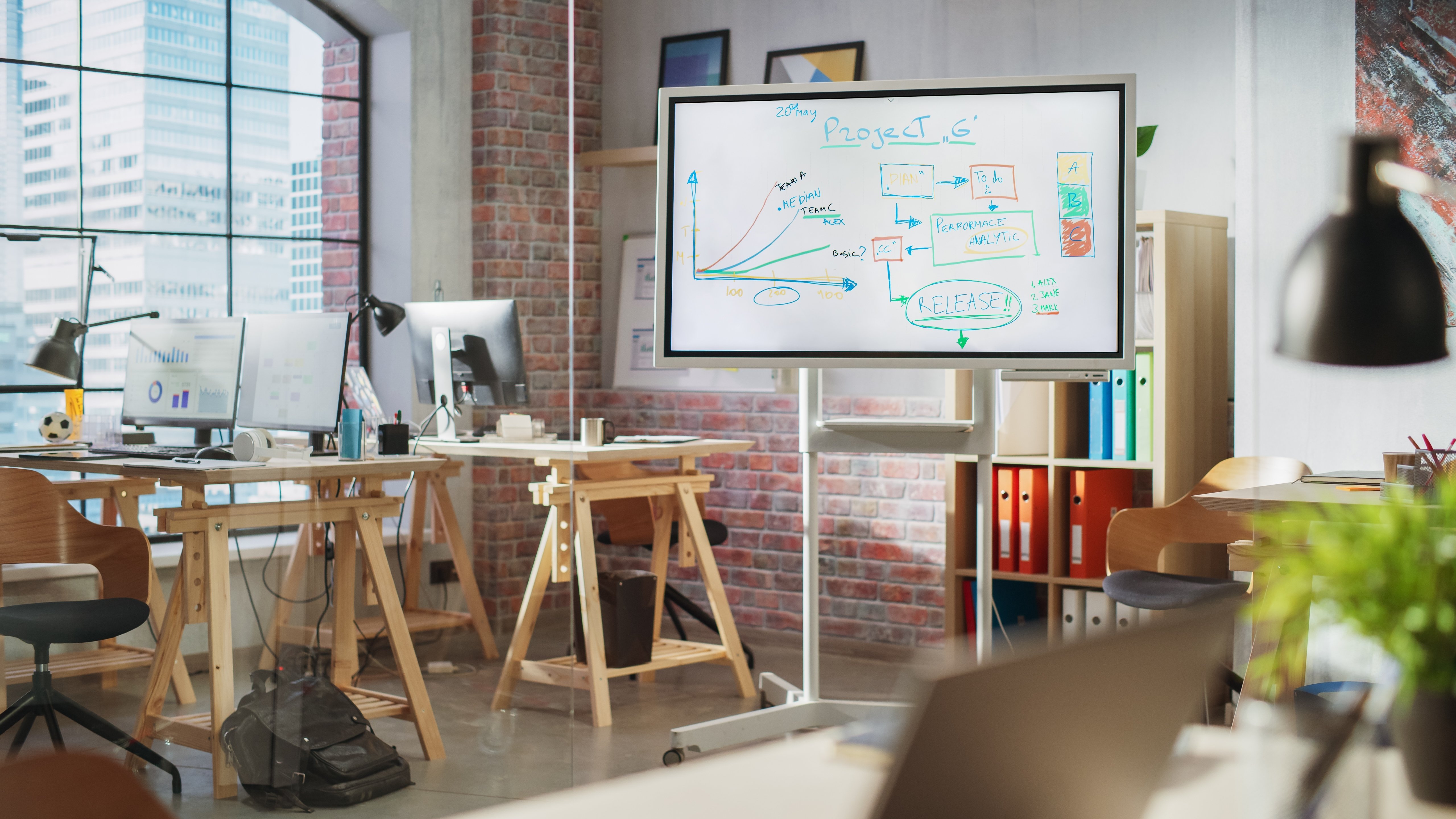
The artistic office uses art as a core decorative element, incorporating paintings, sculptures, photography, or large-scale murals. These pieces do not only create visual appeal but also communicate brand identity and values, inspiring creativity and making the work environment truly unique. This style is perfect for design studios or organizations related to arts and culture.
Expert Tips for Designing a Beautiful and Modern Office
Having inspiring office design concepts is an excellent starting point, but successful execution requires meticulous planning and design tips to create a workspace that is aesthetically pleasing, contemporary, and functionally effective.
- Efficient Space Planning and Layout
Space allocation (Layout) is a critical factor in good office design. Consider the workflow within your office—departments that collaborate frequently should be positioned near each other. Balance open collaborative areas with private spaces for privacy. Efficient space planning helps reduce distractions and increases productivity.
- Optimal Lighting Installation and Management
Office lighting significantly impacts work performance and eye health. A well-designed office should maximize the use of natural light. Artificial lighting should provide adequate illuminance—typically around 300-500 lux for paperwork. Use task lighting at desks and ambient lighting throughout to reduce glare and screen reflections.
- Strategic Color Selection and Schemes
Color is one of the factors affecting mood and productivity. Incorporating your organization's Corporate Identity (CI) colors helps build brand recognition. You may apply the 60-30-10 rule (60% primary color, 30% secondary color, 10% accent color) to achieve balance.
- Furniture Selection and Decoration
Contemporary offices should opt for multifunctional furniture to save space and maximize utility. However, the most critical investment is ergonomic furniture—such as adjustable-height desks and ergonomic chairs that support proper posture. These investments promote employee health, reduce Office Syndrome, and allow employees to work more efficiently.
- Creating an Engaging Work Atmosphere
Designing for beauty alone is not enough; you must create an atmosphere that is truly inviting. Implementing Biophilic Design by bringing natural elements into the office—such as wood, stone, and live plants—refreshes the space, purifies the air, and reduces employee stress. A relaxed atmosphere can stimulate fresh ideas among employees.
- Modern Technology Integration
In the era of hybrid work, technology is indispensable. A good office must be equipped with modern technology, such as reliable high-speed internet, crystal-clear and easy-to-use video conferencing systems, and smart booking platforms for meeting rooms or workstations, ensuring seamless operations regardless of location.
- Strategic Desk Arrangement
The layout of workstations can impact the working culture, for instance:
- Row arrangements suit tasks that require concentration.
- Cluster layouts are ideal for teamwork and encourage consultation.
- Shared large tables provide maximum flexibility. Selecting the right desk configuration will help reinforce the organization's work style.
- Creating Atmosphere Through Art and Design
Artwork and design elements can elevate an ordinary office into an exceptional one. Using artwork that aligns with the company's vision, inspirational wall graphics, or even beautifully designed wayfinding signage helps create an engaging and visually stimulating environment.
- Materials and Textures
Offices should not be limited to color alone; they also need textural dimension. Combining different materials—such as the smoothness of glass, the roughness of brick, the softness of fabric, or the warmth of wood—will add depth, interest, and dimension to the space, preventing it from looking too flat.
- Designing for Health and Well-being
Well-being Design is a trend that prioritizes the physical and mental health of employees. This includes providing rest areas, meditation rooms, encouraging movement, offering healthy snacks, and managing air quality and acoustics within the office to
enhance work efficiency.
A beautiful office design is the perfect fusion of science and art. It extends beyond selecting attractive furniture to the proper spatial planning of the office interior, creating an environment that promotes work efficiency, reflects brand identity, and supports the physical and mental well-being of employees simultaneously. Investing in a good office design is an investment in the organization's sustainable future.
For entrepreneurs seeking an office that combines beauty with functional excellence, let JLL Thailand assist you in finding the perfect workspace for your organization. For more information, contact us at property.jll or call 02 624 6471.

