
Frequently, when thinking of dangerous workplaces, industrial factories or construction sites may come to mind. In reality, however, offices can experience accidents as well. Creating office safety isn't merely about compliance with regulations it's about establishing environments where all employees feel at ease and can focus on work without constant concerns about danger. This article compiles 9 essential practices to elevate office safety, reduce injuries, and create a healthy work environment.
The Importance of Office Safety

Office safety is a fundamental matter that warrants attention. Workplace safety management reduces injury rates, sick leave, and hidden accident costs, whether they be medical expenses, compensation, or the cost of finding replacement staff. Importantly, a safe office directly impacts organizational culture. When employees perceive that the organization cares about their well-being and safety, it builds trust and loyalty. Safe environments reduce stress and anxiety, enabling employees to concentrate more on work—all of which are factors leading to improved business outcomes.
9 Methods to Increase Office Safety and Reduce Workplace Injuries
Creating workplace office safety can begin with behavioral changes and regular environmental inspections. Following these 9 guidelines can help make the office safe and reduce common hazards:
1. Organize Items Systematically
The most frequent accidents are tripping, falling, and collisions—the primary causes of which typically originate from disorganized workspaces. Organizing items systematically and maintaining clear and clean walkways at all times can prevent injuries.
2. Avoid Standing on Chairs
Attempting to retrieve items from high shelves by climbing or standing on office chairs—which lack stability when used for standing—is a dangerous and risky behavior. Chairs may flip or slide away rapidly, causing a fall. When reaching high-placed items, use a stable ladder for safety.
3. Install Anti-Slip Materials
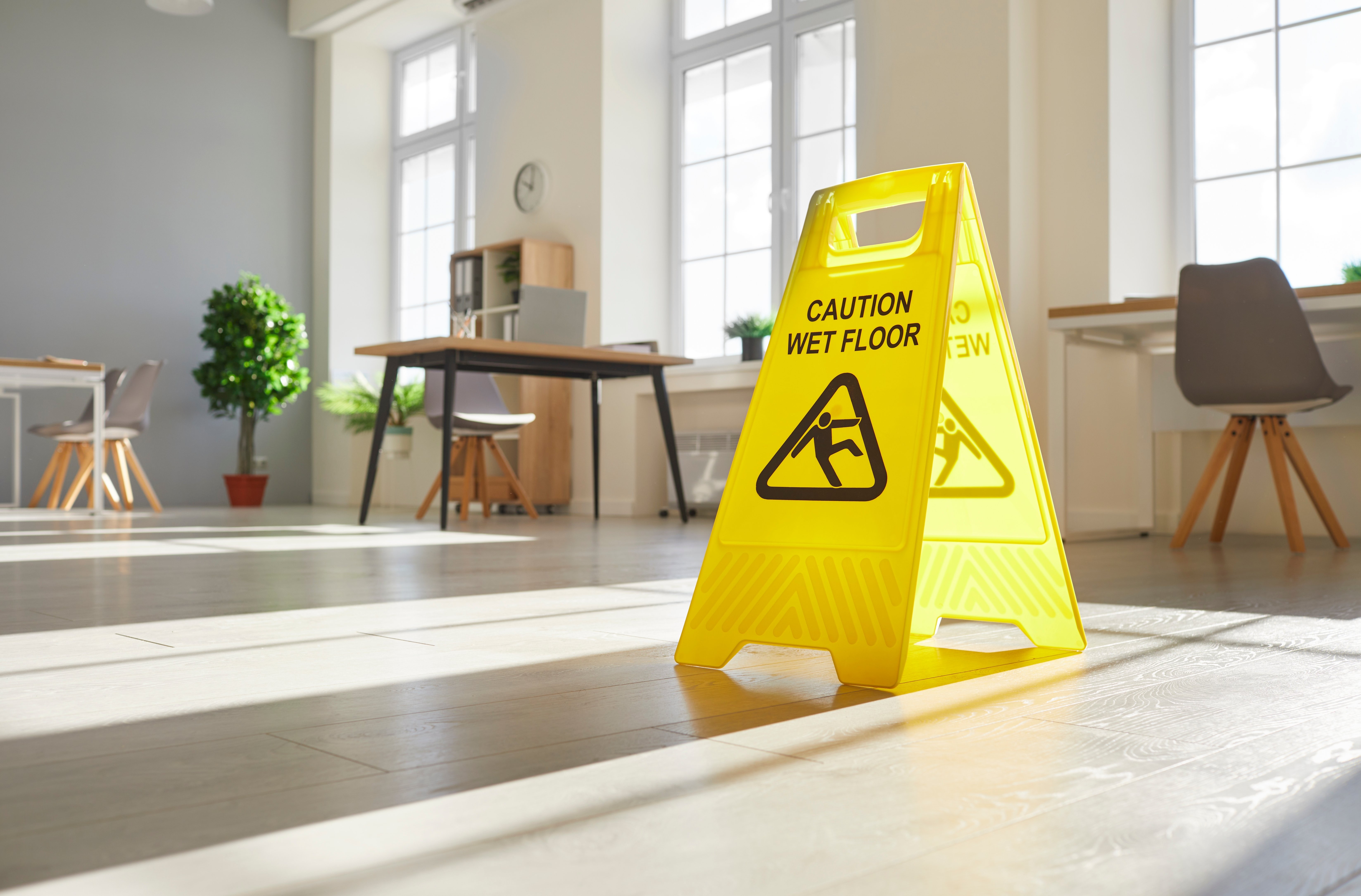
Areas with smooth, glossy surfaces, especially where water can easily spill, represent risk points for slipping. Installing anti-slip materials increases workplace office safety. Additionally, in any area where cleaning occurs or water is spilled, a "Caution: Wet Floor" sign should be placed immediately as an office safety practice that must be strictly followed.
4. Stack Items Safely
Many offices often store items by stacking boxes, but improper stacking may cause accidents such as items falling on someone or shelves collapsing. Therefore, a crucial rule to remember for stacking is "heavy items at the bottom, light items on top," which creates a stable center of gravity for the shelving and prevents toppling. Importantly, stacked boxes shouldn't be too high as to obscure vision or be too close to fire sprinkler heads. Additionally, the strength and weight capacity of the shelving must be regularly verified.
5. Close Storage Drawers Properly
Walking into or tripping over open file cabinet drawers may seem like a minor matter, but colliding with the sharp corners of protruding drawers can cause bruises or wounds. Therefore, after use, always close storage drawers properly.
6. Inspect Electrical Cords and Outlets Regularly
The office is a space filled with electronics requiring constant electricity. Improper electrical cord storage that leads to fires or electrical short circuits can cause significant damage to the organization. Regularly inspecting electrical cords and outlets increases workplace office safety. When discovering damaged cords with cracks or abnormally hot outlets, you must report this to the supervisor immediately to prevent electrical short circuit problems and fire accidents.
7. Don't Obstruct Sprinkler Heads and Inspect Regularly
Sprinkler heads or automatic fire suppression systems are safety systems that can save lives during a fire. But if items obstruct the operation of the sprinkler heads, preventing them from detecting heat or smoke, the sprinkler heads won't function or will function too slowly, causing damage. International workplace office safety rules require a distance of at least 18 inches (approximately 45 cm) between the items on the top shelf and the sprinkler heads to ensure water can disperse freely when the system activates. Maintaining this space is a mandatory office safety regulation that must not be violated.
8. Don't Obstruct Fire Escape Routes
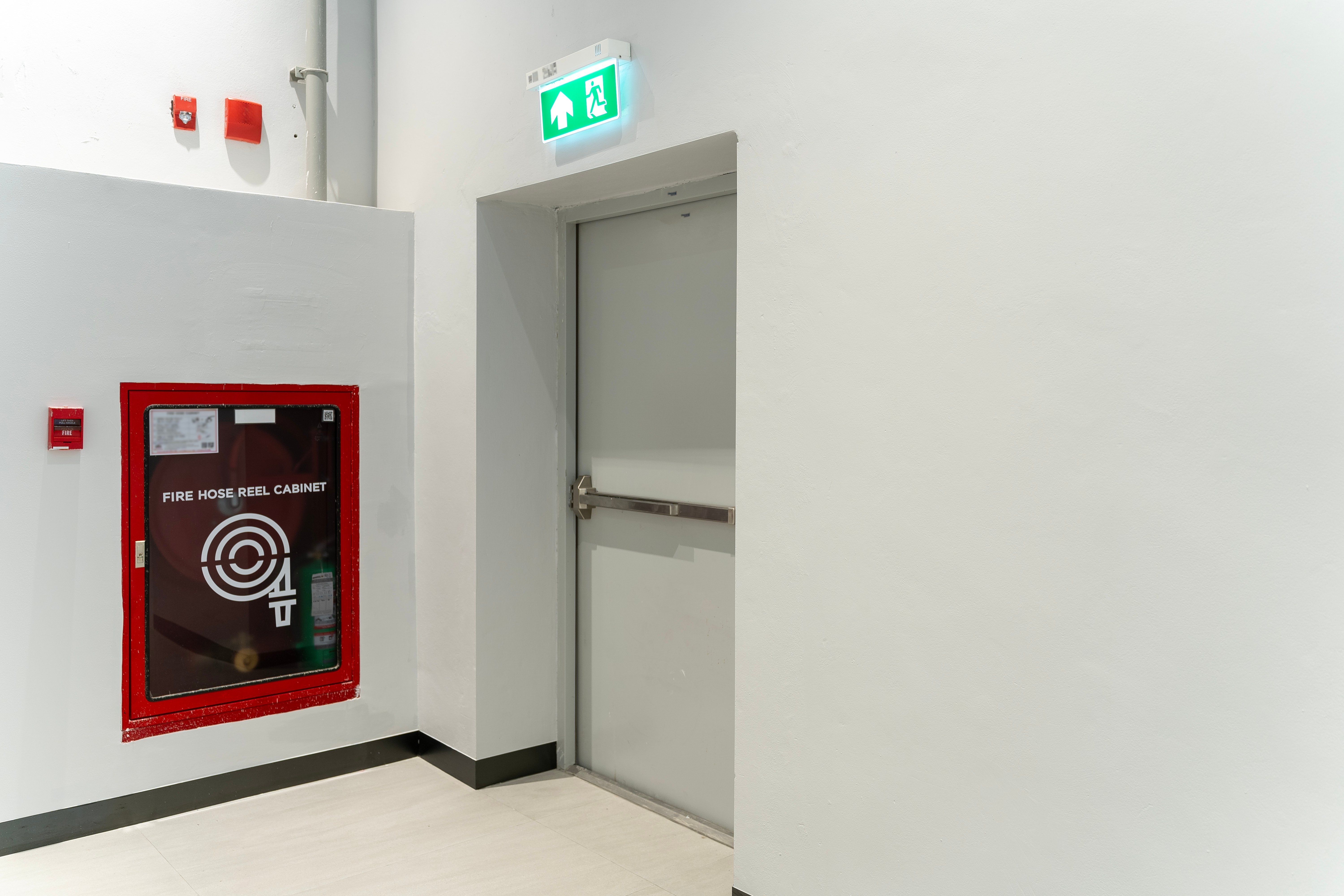
In emergency situations, every second counts, and to increase the survival chances, fire escape routes, fire stairs, and emergency exits must be kept clear of obstructions so that timely evacuation is possible. Fire escape doors must always be easy to open from the inside; they must not be locked or obstructed. Fire escape signs must be clear and equipped with emergency lighting. Importantly, regular fire drills help everyone become more familiar with office safety routes.
9. Reduce Glare
Office safety doesn't always mean having the brightest lighting possible, because excessive or harsh lighting, especially reflections on computer screens, can be hazardous to eye health. These reflections cause squinting, neck muscle tension, or posture adjustments while trying to see the screen clearly—which are causes of eye strain, dry eyes, headaches, and accelerating factors for Office Syndrome. Therefore, office interior lighting should be designed for balance for long-term workplace office safety.
Workplace office safety is a measure that must be carried out continuously and consistently. It is a collective responsibility of all parties to create office safety as a workplace that is not only efficient but also a place where everyone feels safe. The office safety tips that JLL Thailand has shared represent forms of office interior safety. For any organizations seeking offices with security systems, JLL Thailand offers various-sized offices in quality locations with comprehensive amenities. For those who are interested and want more information, contact property.jll or call 02 624 6471.


