For office operations to run smoothly and efficiently, the environment and equipment play a vital role. Having comprehensive and ready-to-use office equipment facilitates document management, meetings, and coordination, reduces errors, and empowers employees to reach their full potential. The question of "what office equipment is needed" is, therefore, a crucial starting point that every organization must plan carefully.
What is Office Equipment?
Office equipment refers to tools and furniture used within an office, ranging from basic items to technological tools designed to facilitate operations, data management, communication, and systematic document storage—ensuring that daily tasks are completed successfully.
The Importance of Office Equipment
Office equipment serves as the fundamental foundation driving business operations. A lack of necessary equipment can lead to work delays or frequent errors. Additionally, high-quality and appropriate equipment supports employee health; for instance, ergonomic chairs help reduce Office Syndrome, enabling employees to stay healthy and produce higher-quality work.
10 Essential Office Equipment Categories
While the specific list of equipment may vary depending on the business type, there are 10 basic categories considered essential for almost every modern office to enhance work efficiency:
1. Work Desks
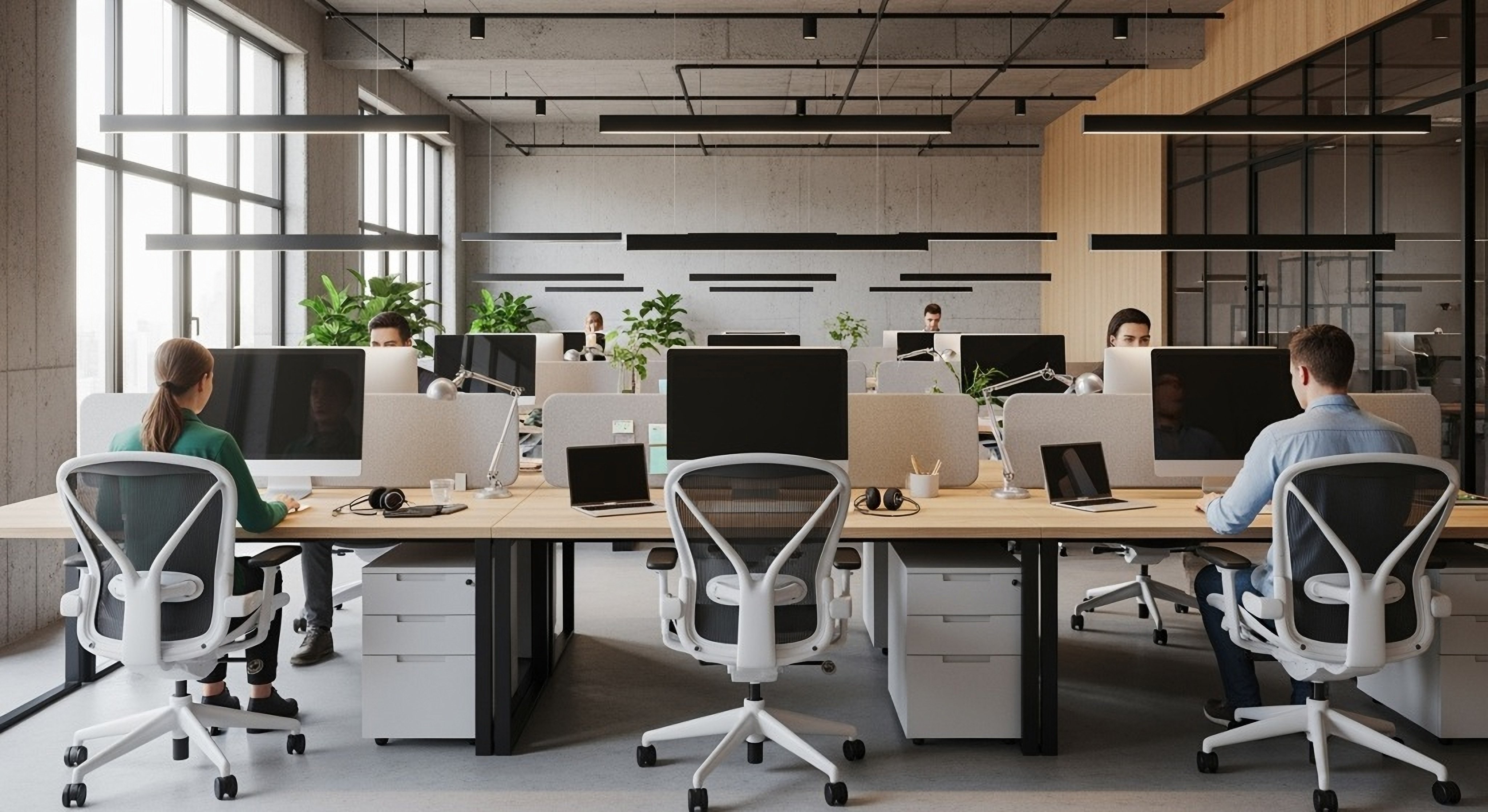
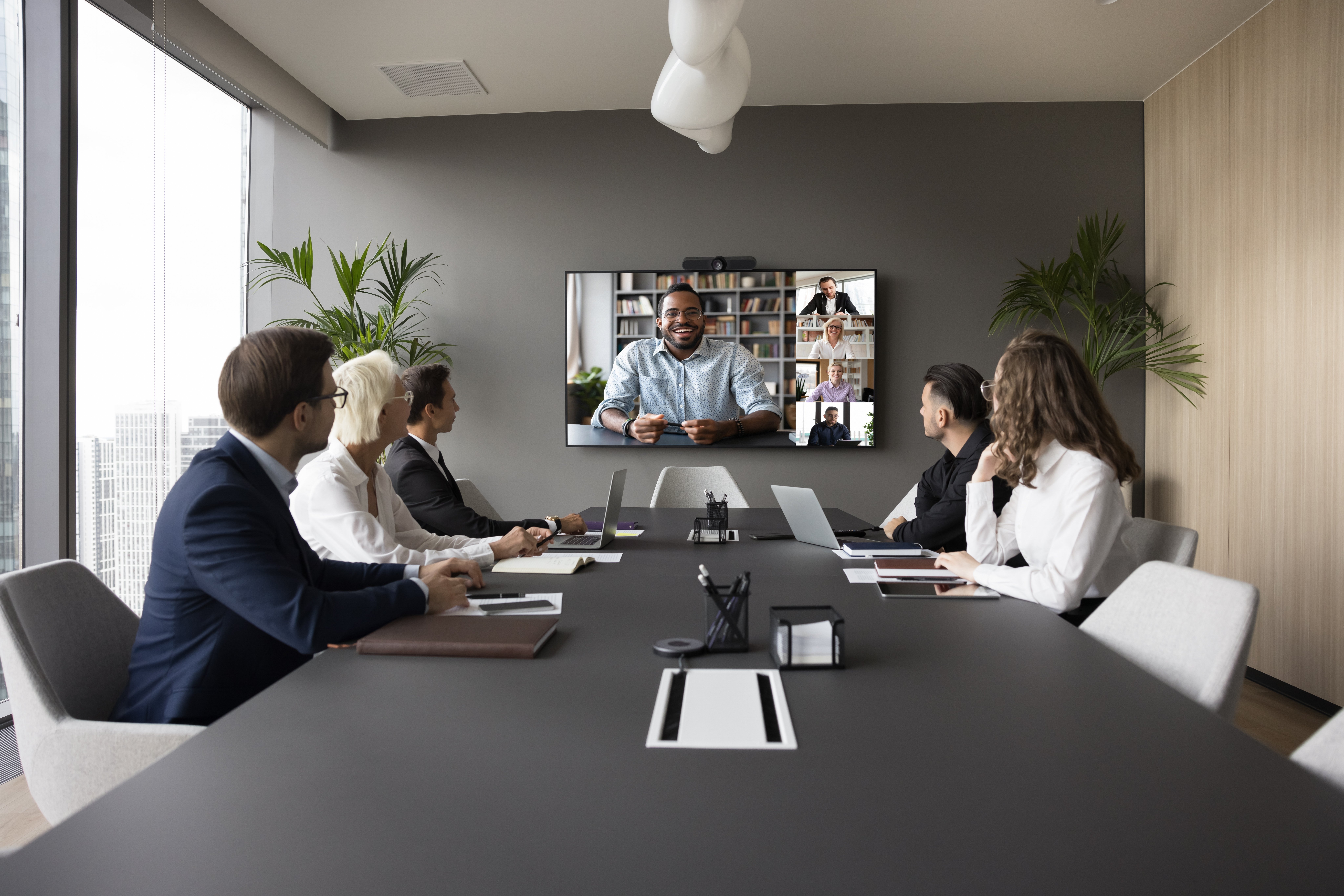
The desk is the primary workspace. It should be appropriately sized—sufficient for computers and documents without feeling cramped. Choosing desks with supplementary functions, such as storage drawers or cable management channels, helps keep the workspace organized.
2. Office Chairs
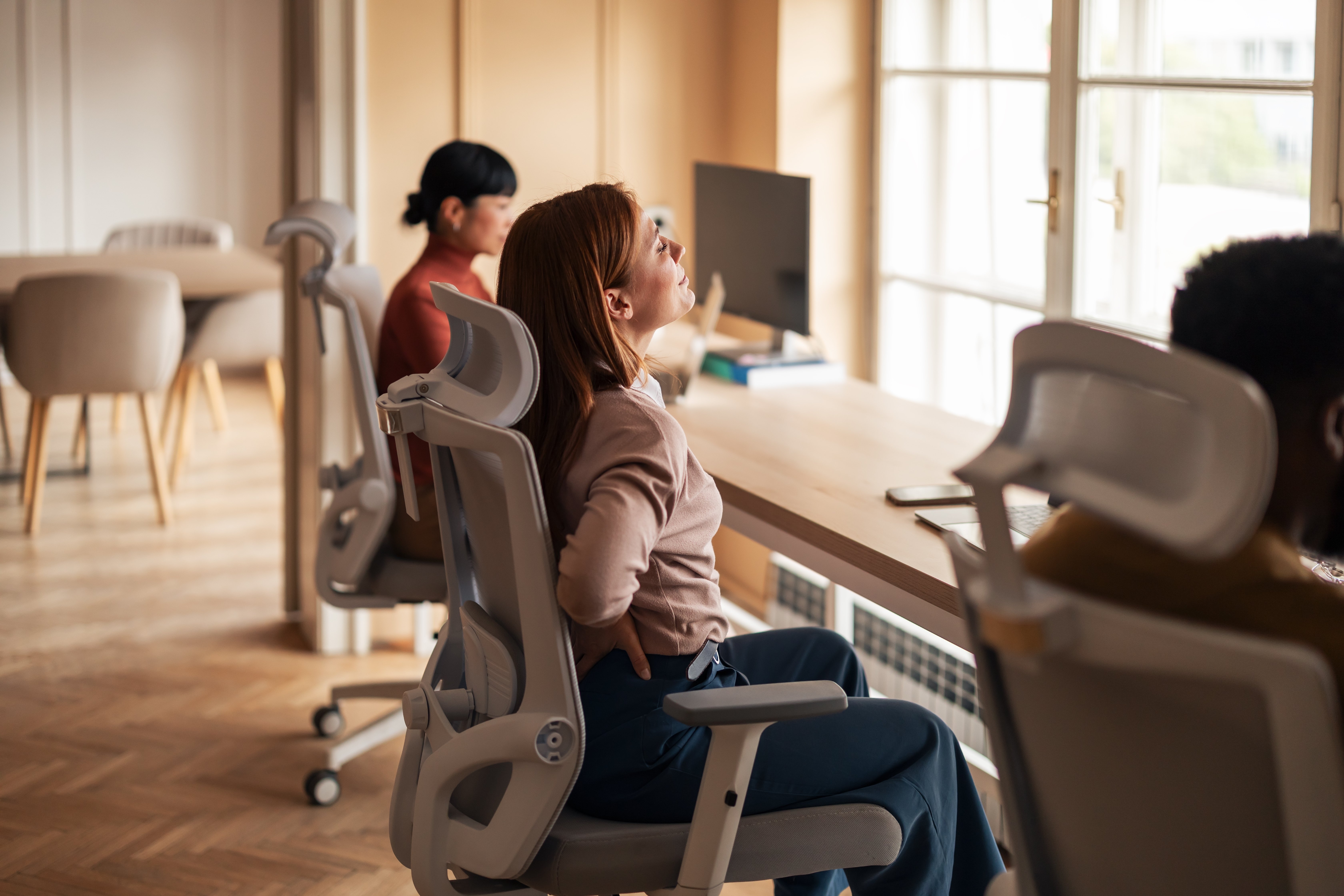
Employees spend most of their time in their chairs. Investing in high-quality seating, especially ergonomic chairs with adjustable features, supports proper posture, reduces back and neck pain, and allows employees to work with better focus and long-term health.
3. Document Storage Cabinets
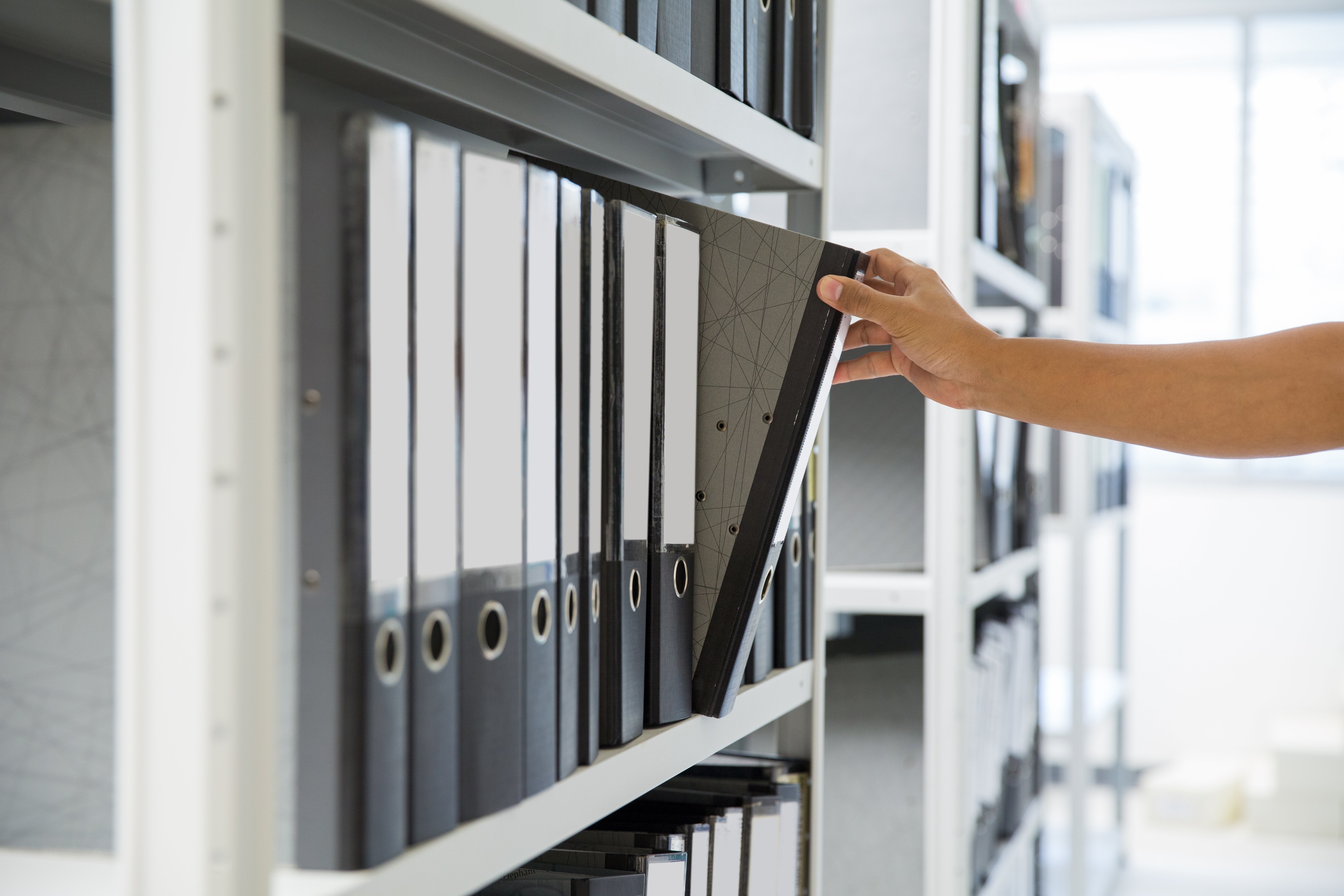
Despite increasing digitalization, important accounting documents, contracts, and official records still require paper storage. Document cabinets help consolidate and categorize documents systematically, preventing loss or damage while ensuring they are easy to find when necessary.
4. Lockers

Lockers are used to store personal belongings, such as bags or other items not directly work-related. Having lockers keeps common areas and desks clean and organized while enhancing the security of employees' personal property. This reduces worry and allows employees to focus fully on their tasks.
5. Shelving Units
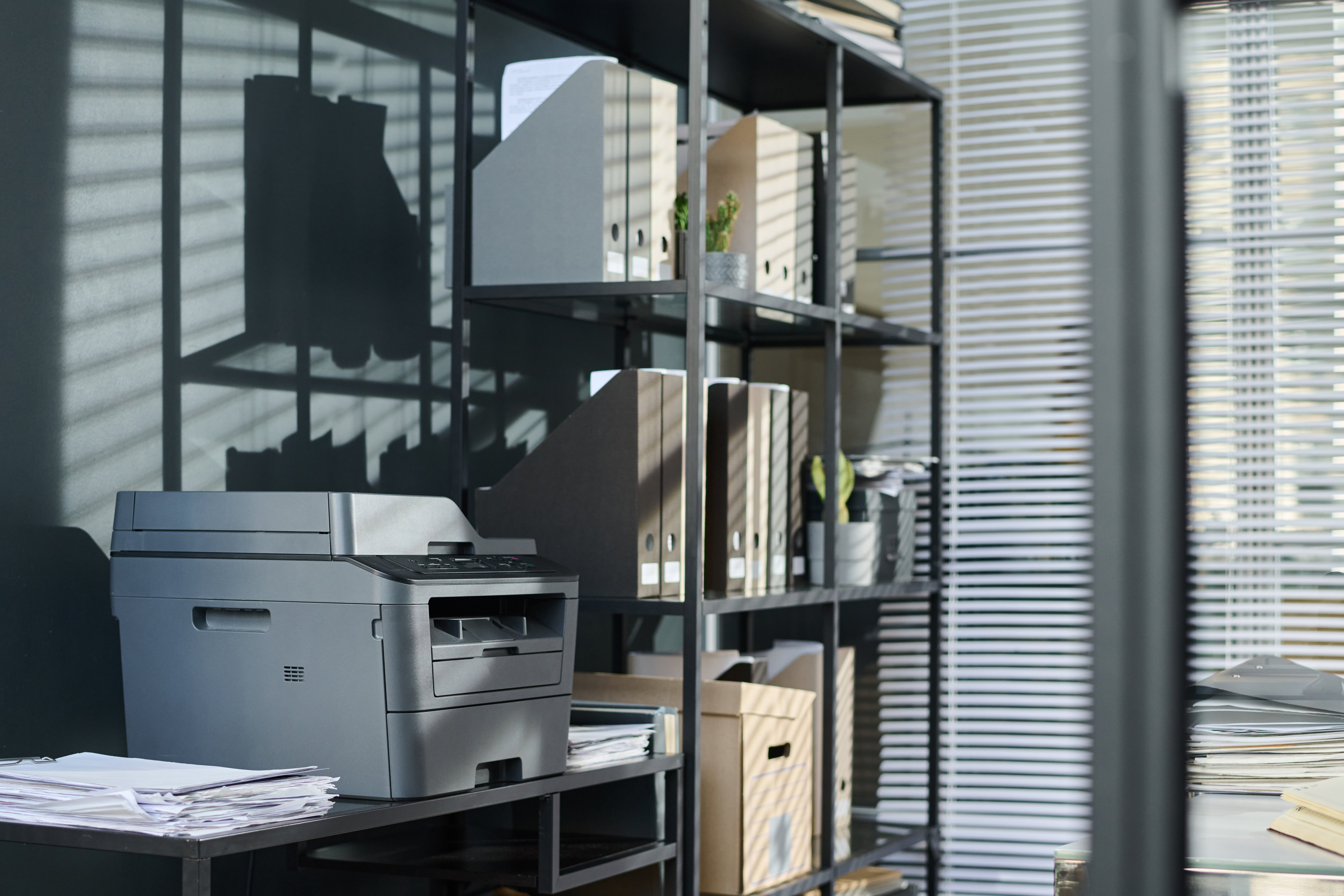
Multipurpose shelving units are ideal for storing frequently accessed items or shared materials, such as active project folders or communal office supplies. Open shelving provides visibility and convenient access. In some offices, shelves are also used to display decorations, plants, or awards to create a more pleasant work atmosphere.
6. Meeting and Presentation Equipment
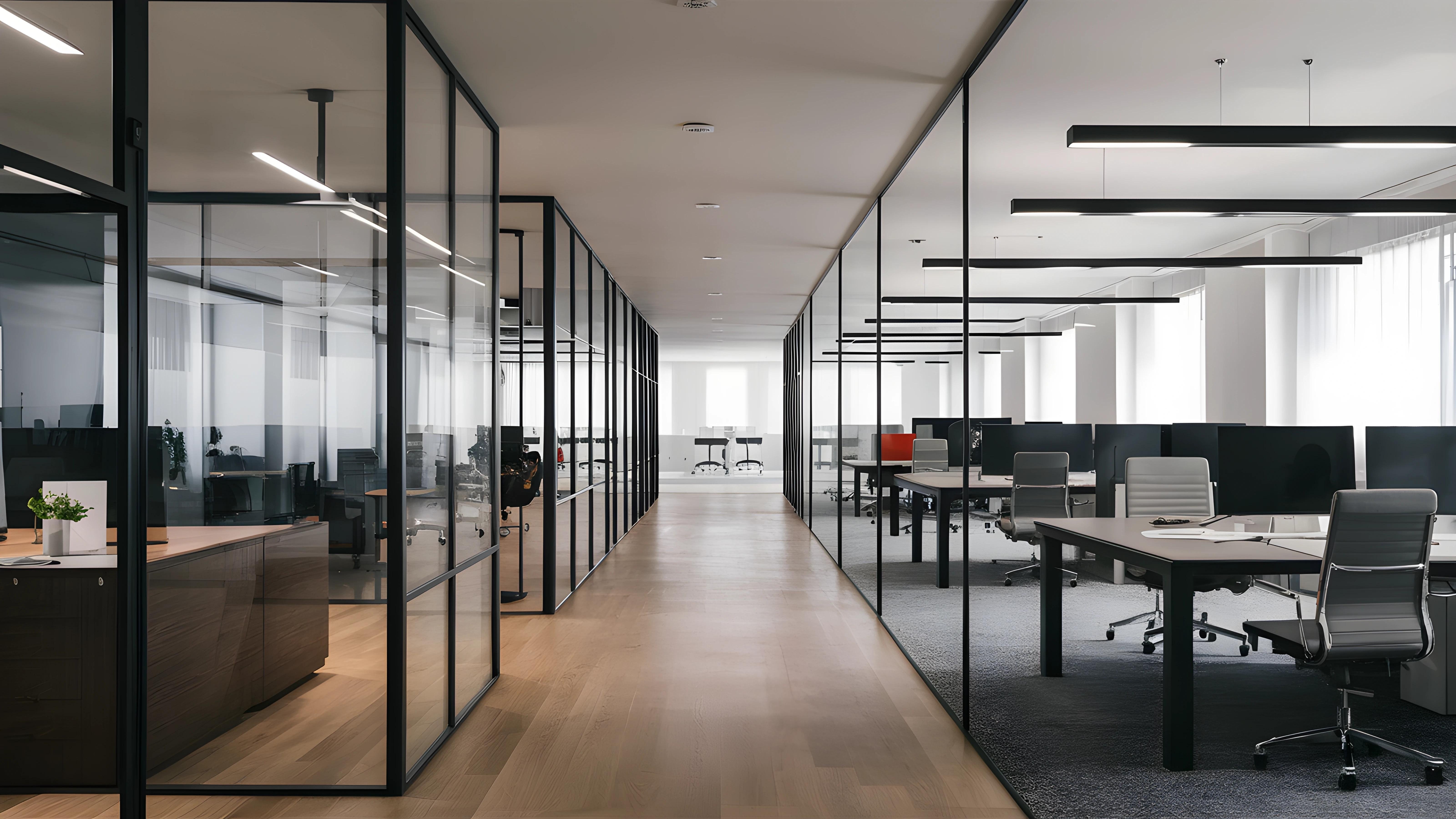
Meeting rooms are shared spaces for brainstorming and making key decisions. Equipment such as whiteboards or flipcharts for noting ideas, along with technology like projectors, smart TVs, and high-quality remote conferencing systems (with clear cameras and microphones), ensures smooth meetings without audio or visual interruptions—effectively supporting hybrid work arrangements.
7. Document Organization Supplies
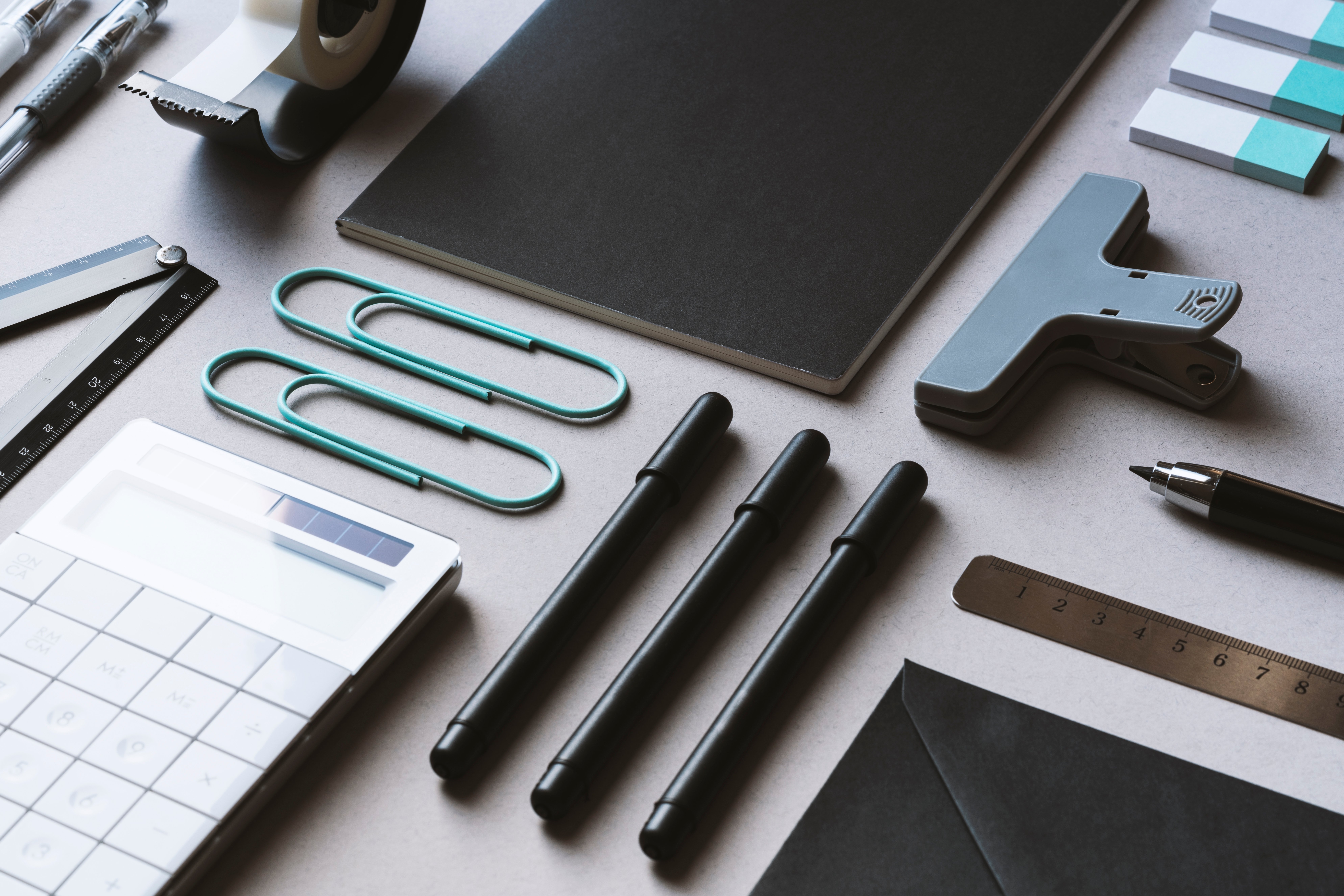
To keep desks organized and ready for use, document organization supplies are essential. These include document trays, pen holders, paper clip boxes, and various folders. These supplies prevent important documents from getting mixed up and allow for immediate access.
8. Paper-Related Tools
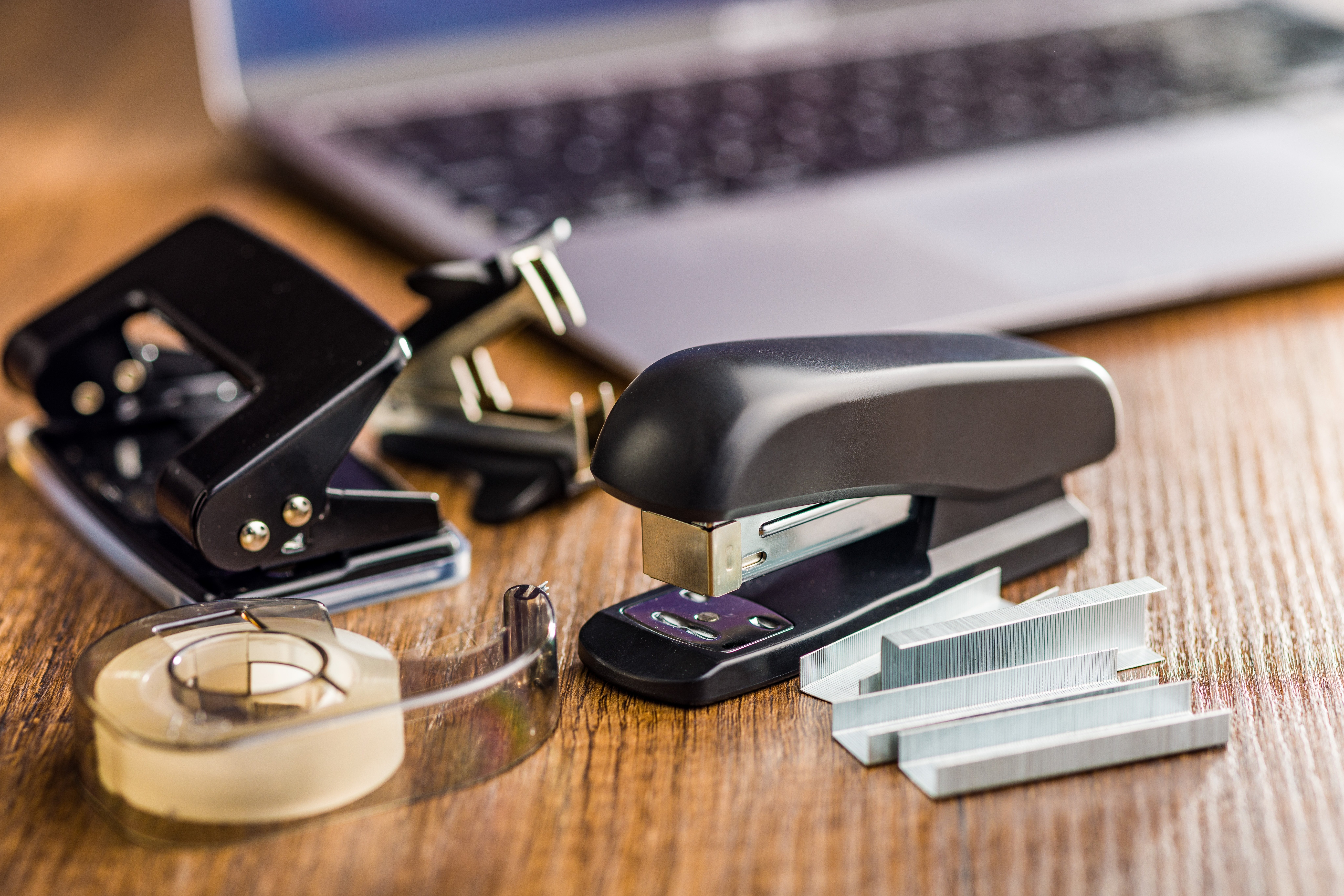
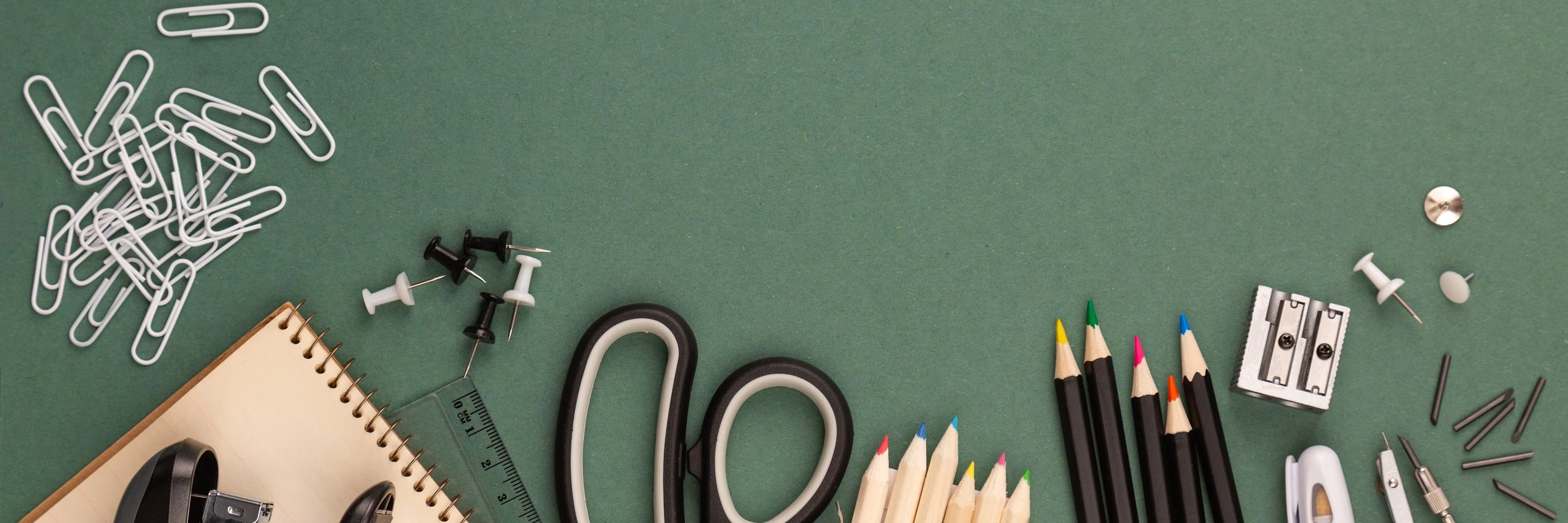
Document work still requires tools for paper handling, such as paper clips, hole punchers, scissors, and cutters. These basic tools help consolidate, verify, and organize documents into unified sets.
9. Miscellaneous Office Supplies

Miscellaneous supplies are indispensable consumables, such as pens, pencils, erasers, highlighters, rulers, Post-it notes, clear tape, glue, and notebooks. Though small, their absence can cause immediate work interruptions when they are needed.
10. Electronic Equipment and Computers
Electronic equipment and computers are the fundamental tools that companies should provide to ensure all employees can perform their work efficiently.
Considerations Before Purchasing Office Equipment
Purchasing office equipment is an investment that requires careful planning to ensure the items match your needs and provide the best value. Before deciding to buy, consider the following factors:
1. Prioritize Necessity
Assess the actual needs of your office first. There is no need to buy everything based on trends or choose models with functions that will go unused. Selecting equipment that matches its intended purpose saves budget and simplifies maintenance.
2. Purchase from Reliable Sources
Selecting suppliers or retailers with a good reputation ensures quality, genuine products that are durable—especially for expensive electronics or furniture. Reliable sources typically offer better service, including expert guidance and after-sales support.
3. Quality and Durability
Office equipment undergoes heavy, continuous daily use. Therefore, instead of choosing the cheapest option, look for value through durability. Strong materials and standardized assembly provide long-term value, as items that last 3–5 years represent a more worthwhile long-term investment.
4. Budget and Value
Setting a clear procurement budget and comparing prices from multiple sources allows you to evaluate specifications, quality, warranties, and lifespan against the cost, ensuring you maximize the benefits within allocated budget.
5. Support for Modern Technology
For electronics and IT equipment, select modern technology that will not become obsolete quickly. Choosing models that support new software updates ensures seamless future usage without the need for redundant, short-term reinvestment.
6. After-Sales Service and Warranties
Since office equipment can malfunction, select products with clear warranty conditions or purchase from brands that provide reliable after-sales service to reduce complications when repairs are needed.
5 Ways to Maintain Office Equipment
Purchasing quality equipment is merely the starting point; maintaining it for an extended lifespan and constant readiness is equally important. To achieve the maximum return on investment, you should follow these maintenance guidelines:
1. Clean Regularly
Cleanliness is the most fundamental factor. Regularly clean desks, chairs, and computer equipment to ensure good hygiene. Removing dust that could clog electrical appliances extends their lifespan and makes the office a more pleasant place to work.
2. Check Equipment Readiness Before Use
Before using equipment, especially communal items, conduct a quick preliminary check. This helps prevent minor issues from escalating into major damage and avoids work interruptions.
3. Unplug or Turn Off Switches After Use
Electronic devices like computers, monitors, or printers should be shut down and unplugged after work to conserve energy, prevent damage from short circuits or power surges at night, and extend the equipment's lifespan.
4. Repair Immediately When Equipment Malfunctions Occur
When discovering any equipment damage, immediately notify building management or the relevant department for repairs. Neglecting the issue or forcing continued use may lead to irreparable damage or dangerous accidents to users.
5. Store Equipment Properly
Storing equipment in its designated place after use creates order and prevents accidental damage. Most importantly, proper storage makes it easy to find for the next use.
Office equipment serves as the fundamental foundation driving an organization. Understanding what equipment is needed and preparing comprehensively helps create an efficient work environment and promotes employee well-being. However, having the right tools is only half the battle; the other crucial half is proper maintenance and usage to maximize organizational value in the long term.
In addition to having ready-to-use office equipment, having an office in a convenient, easily accessible location helps employees save time on their commute.
For organizations seeking the right office for their business, JLL Thailand is ready to help you find appropriately sized office spaces and buildings. For more information, please contact property.jll or call 02 624 6471.


